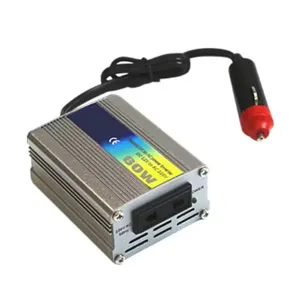
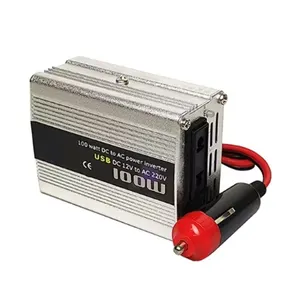
A power inverter is an electronic device designed to convert direct current (DC) into alternating current (AC), enabling the use of common household appliances and equipment from battery-based or renewable energy sources. As described from inverter company, it essentially performs the reverse function of a rectifier by transforming low-voltage DC power—such as 12V, 24V, or 48V from batteries—into standard AC voltages like 110V or 220V used in everyday electrical systems.
In See More Inverter company, you can find wide selections of DC to AC inverters with power ratings from 75W to 5000W. The power inverters deliver modified sine wave, selectable input voltage 12V/24V/48V DC and output voltage 110V, 120V, 220V, 230V or 240V AC, which meet the requirements of different countries. The inverters come with multi-protection function, intelligent cooling fan and durable housing, to ensure that you can charge your devices safely. https://www.inverter.com/power-inverter
Modern power inverters incorporate advanced electronic circuits, typically based on pulse width modulation (PWM) technology, to generate a stable AC output. Internally, they consist of components such as switching devices, control circuits, and filtering stages that work together to convert and regulate the electrical signal. This process not only changes the current type but also ensures that the output voltage and frequency are suitable for sensitive electronic equipment.
Another important aspect of power inverters is their versatility in terms of design and application. They are available in a wide range of power ratings, from small portable units for charging personal electronics to large systems capable of supporting entire households or commercial operations. Different input voltages and output configurations allow them to meet the requirements of various regions and use cases. Additionally, they may produce different waveform types, such as modified sine wave or pure sine wave, which affect efficiency and compatibility with certain devices.
Safety and reliability are also key considerations in inverter design. Many units are equipped with multiple protection features, including overload, short circuit, over-voltage, under-voltage, and over-temperature protection. These built-in safeguards help prevent damage to both the inverter and connected equipment, ensuring stable operation under changing load conditions. Efficient heat dissipation, intelligent cooling systems, and durable enclosures further enhance performance and longevity.
Overall, the power inverter plays a crucial role in modern energy systems by bridging the gap between DC power sources and AC-powered devices. Its ability to deliver flexible, portable, and reliable electricity makes it an indispensable component in applications ranging from everyday consumer use to advanced renewable energy solutions.
In See More Inverter company, you can find wide selections of DC to AC inverters with power ratings from 75W to 5000W. The power inverters deliver modified sine wave, selectable input voltage 12V/24V/48V DC and output voltage 110V, 120V, 220V, 230V or 240V AC, which meet the requirements of different countries. The inverters come with multi-protection function, intelligent cooling fan and durable housing, to ensure that you can charge your devices safely. https://www.inverter.com/power-inverter
Modern power inverters incorporate advanced electronic circuits, typically based on pulse width modulation (PWM) technology, to generate a stable AC output. Internally, they consist of components such as switching devices, control circuits, and filtering stages that work together to convert and regulate the electrical signal. This process not only changes the current type but also ensures that the output voltage and frequency are suitable for sensitive electronic equipment.
Another important aspect of power inverters is their versatility in terms of design and application. They are available in a wide range of power ratings, from small portable units for charging personal electronics to large systems capable of supporting entire households or commercial operations. Different input voltages and output configurations allow them to meet the requirements of various regions and use cases. Additionally, they may produce different waveform types, such as modified sine wave or pure sine wave, which affect efficiency and compatibility with certain devices.
Safety and reliability are also key considerations in inverter design. Many units are equipped with multiple protection features, including overload, short circuit, over-voltage, under-voltage, and over-temperature protection. These built-in safeguards help prevent damage to both the inverter and connected equipment, ensuring stable operation under changing load conditions. Efficient heat dissipation, intelligent cooling systems, and durable enclosures further enhance performance and longevity.
Overall, the power inverter plays a crucial role in modern energy systems by bridging the gap between DC power sources and AC-powered devices. Its ability to deliver flexible, portable, and reliable electricity makes it an indispensable component in applications ranging from everyday consumer use to advanced renewable energy solutions.
on April 01
on April 01
on April 01